Understanding the Global Impact of Telemedicine
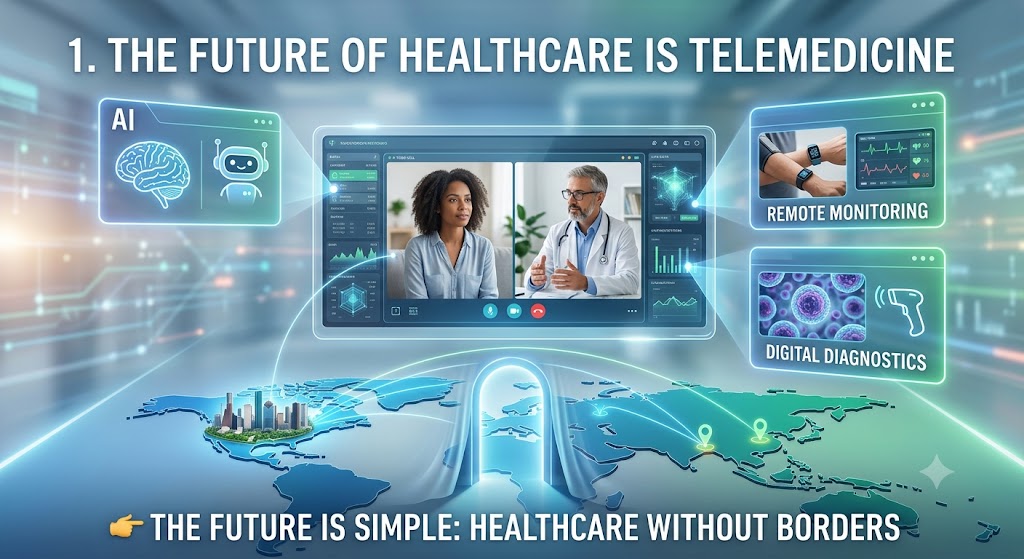
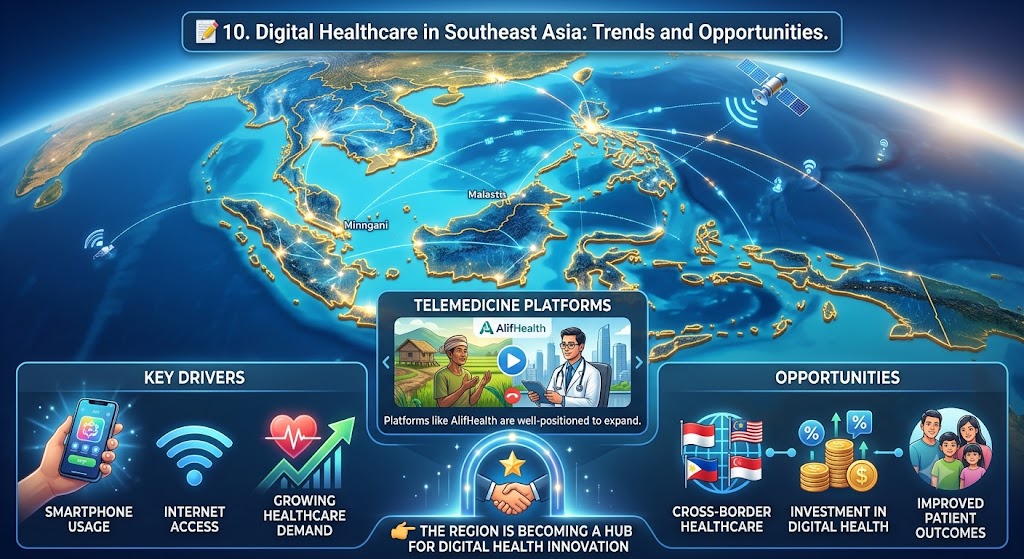
Telemedicine has fundamentally reshaped the delivery of healthcare services worldwide. By leveraging virtual consultation technologies, it eliminates the geographic and logistical constraints of traditional in-person visits. This evolution enables individuals to receive comprehensive medical advice and treatment from the safety and convenience of their homes, fostering a patient-centric approach on a global scale.
Global Convenience and Universal Accessibility
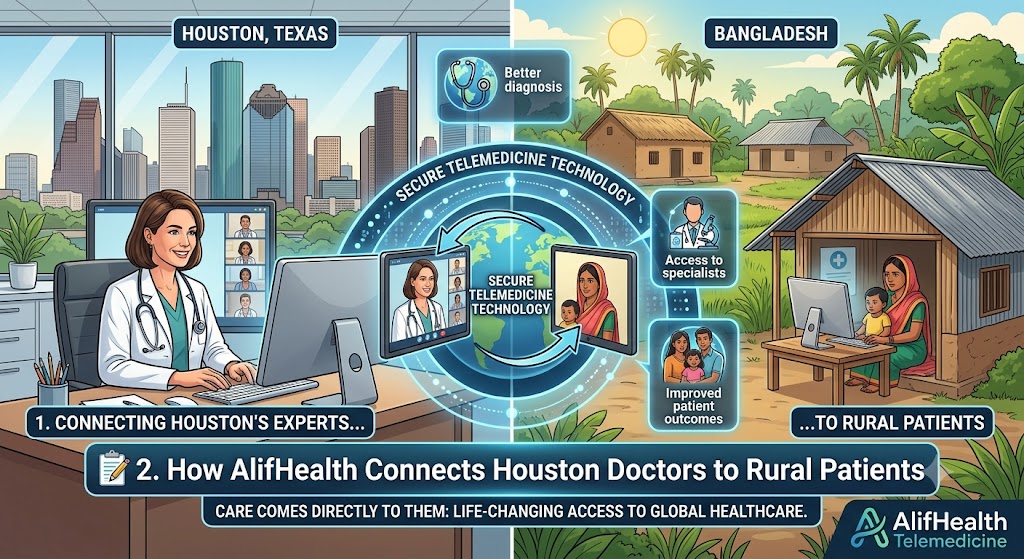
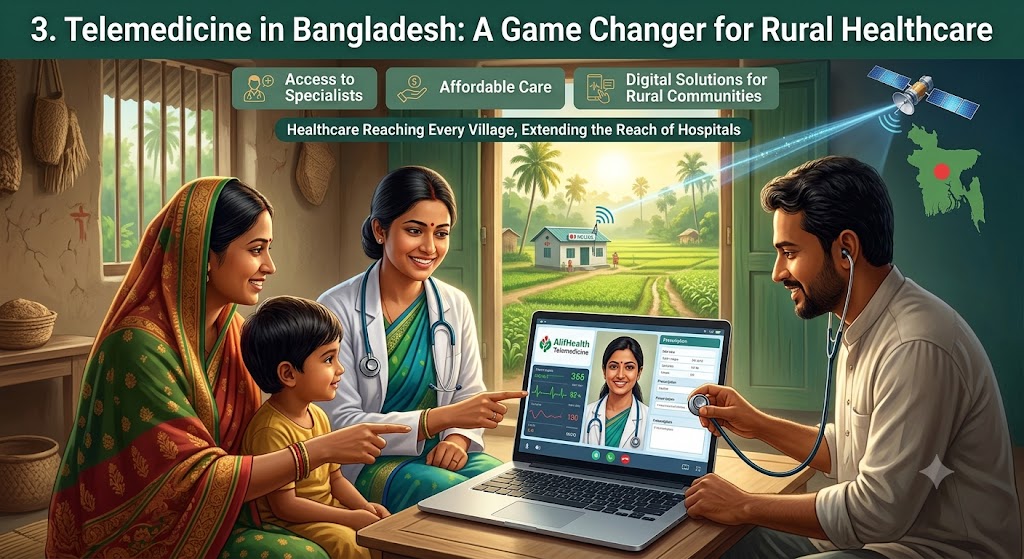
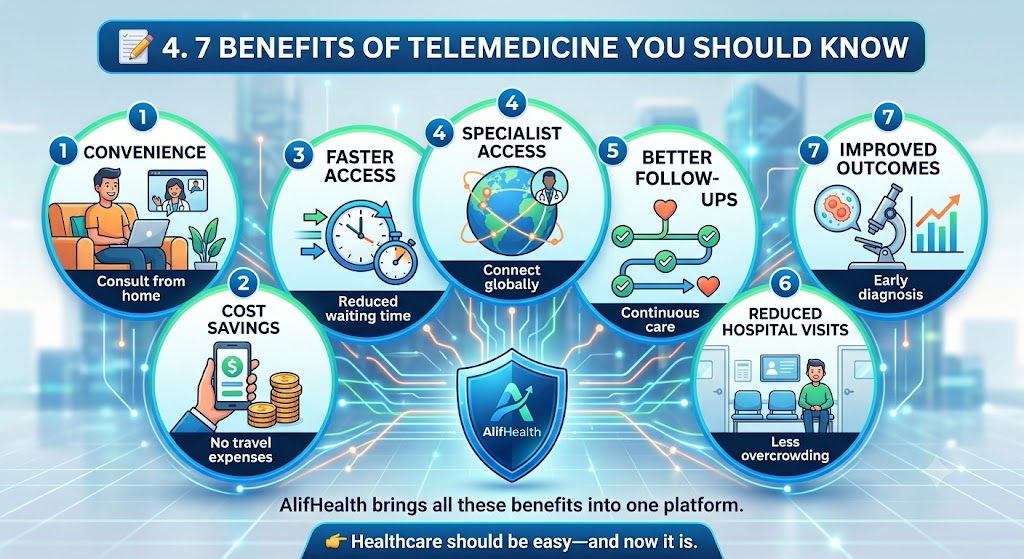
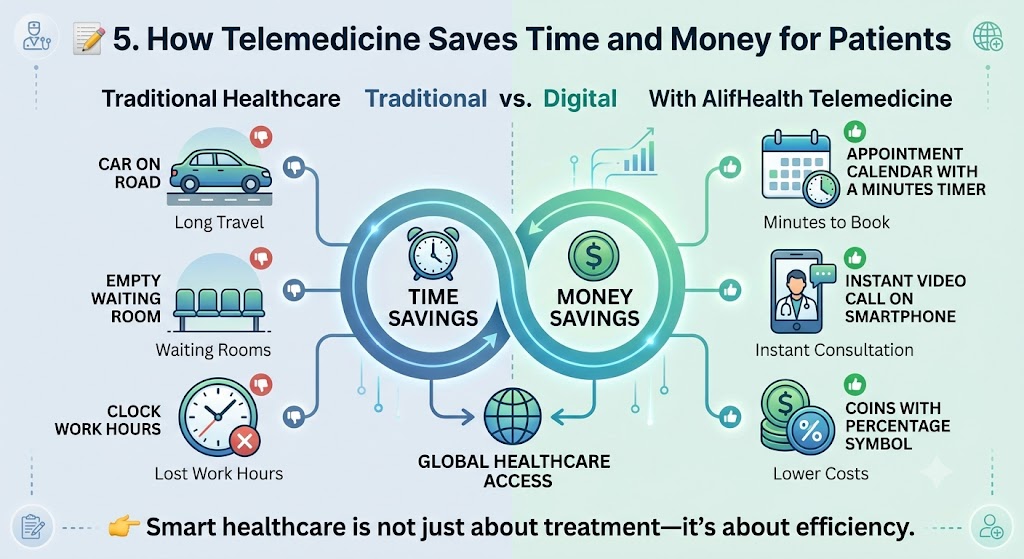
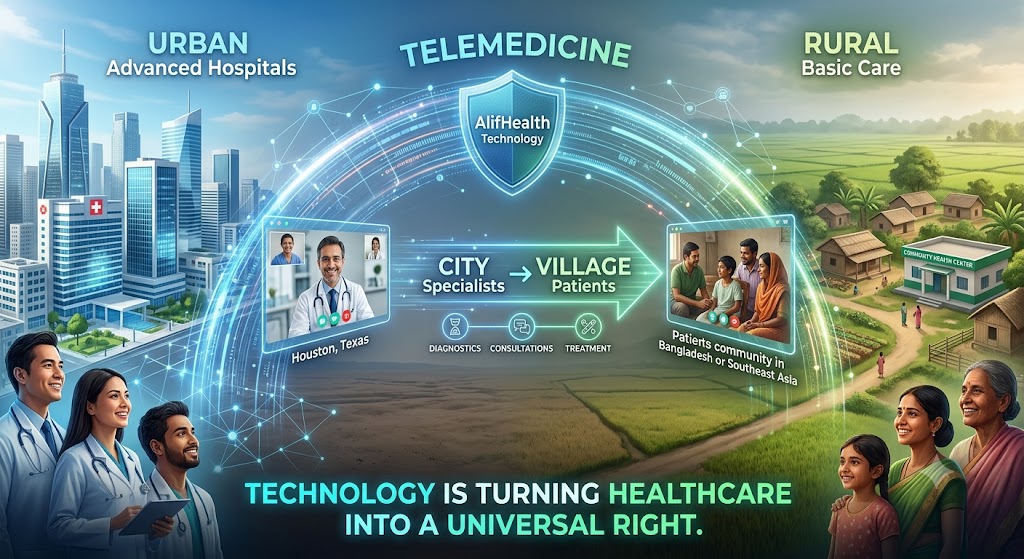
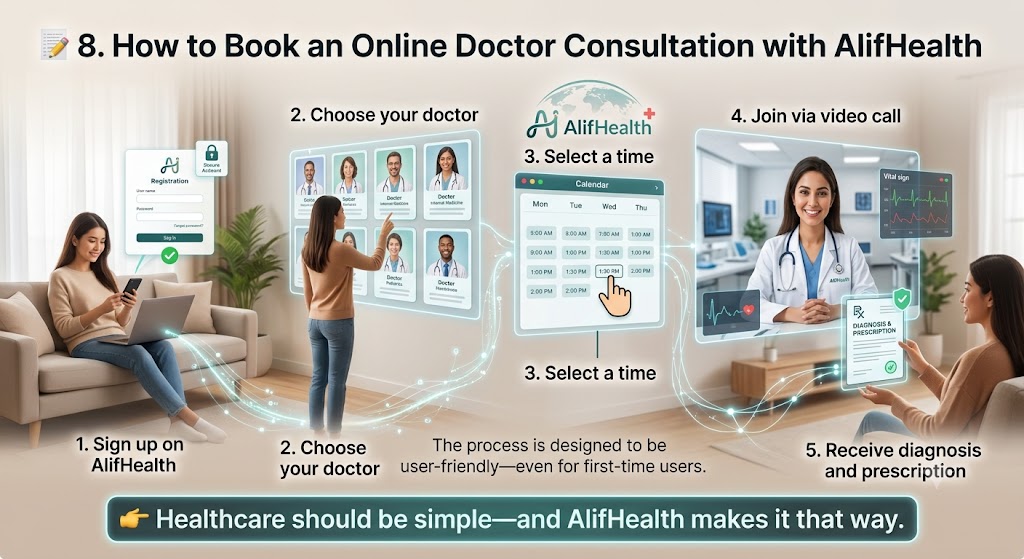
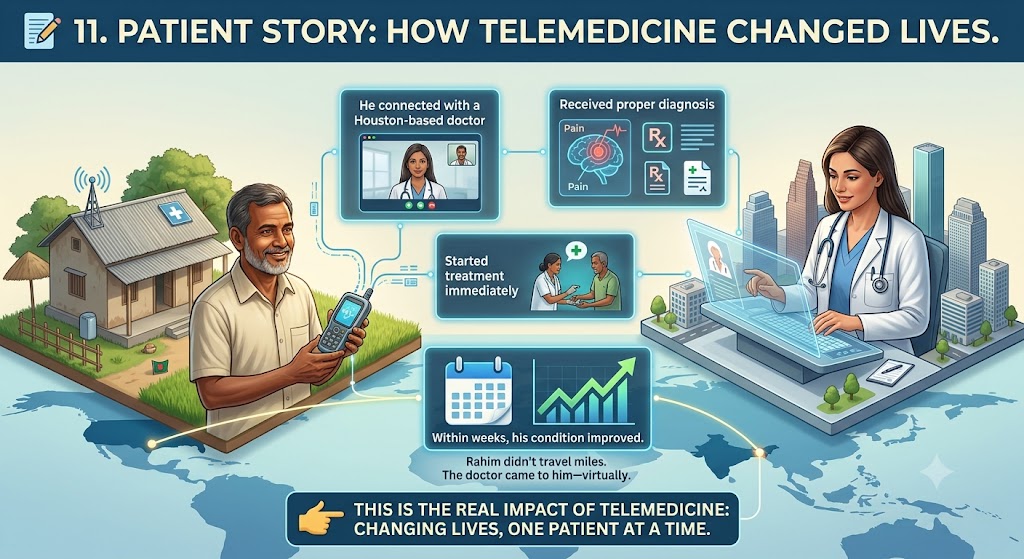
AliefHealth Telemedicine prioritizes user convenience, providing an ideal solution for a diverse international patient base. By reducing travel requirements and wait times in physical clinics, it respects the time and resources of patients. Connected via a simple interface—accessible through any standard smartphone or computer—patients can schedule and attend appointments at their discretion. This level of accessibility is especially critical for residents of remote areas and individuals facing mobility or transportation barriers, effectively standardizing care access across different regions.
Strategic Health Outcomes and Proactive Care
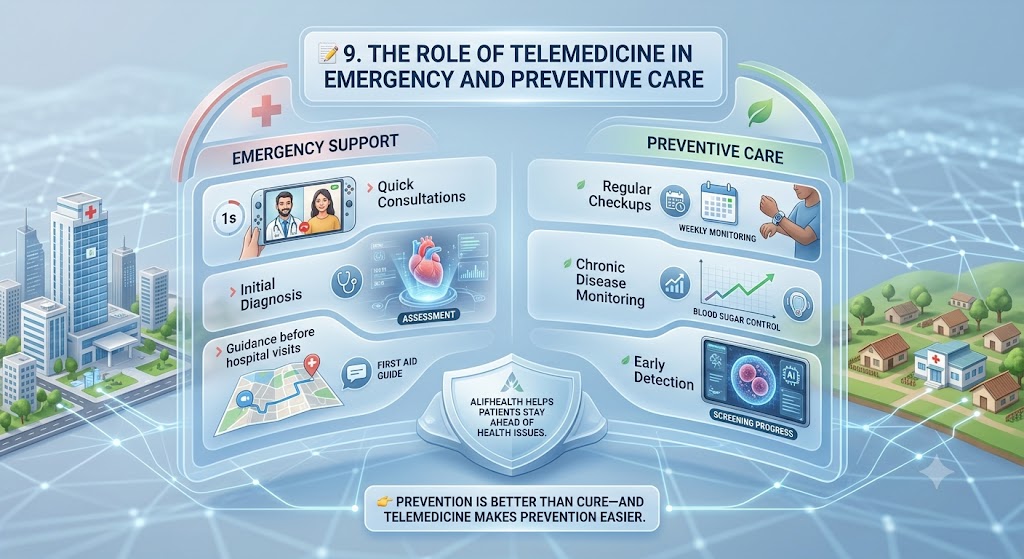
Data and clinical experience demonstrate that telemedicine supports more proactive and effective health management. Regular virtual touchpoints with healthcare providers facilitate the continuous monitoring of chronic conditions, significantly reducing the incidence of emergency hospital admissions. AliefHealth Telemedicine keeps patients engaged in their care plans and informed about their health status, supporting a strategy of preventive medicine that enhances overall well-being.
Summary
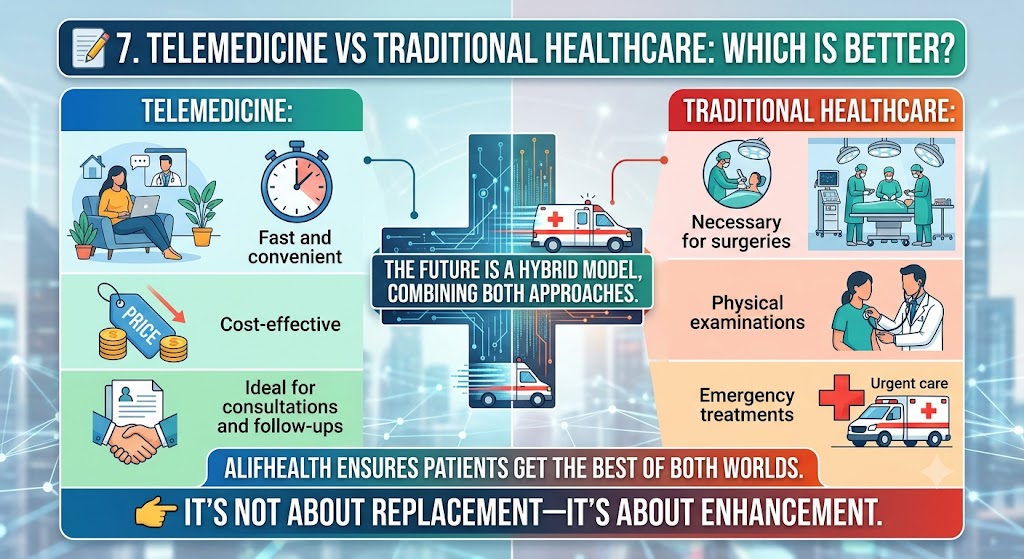
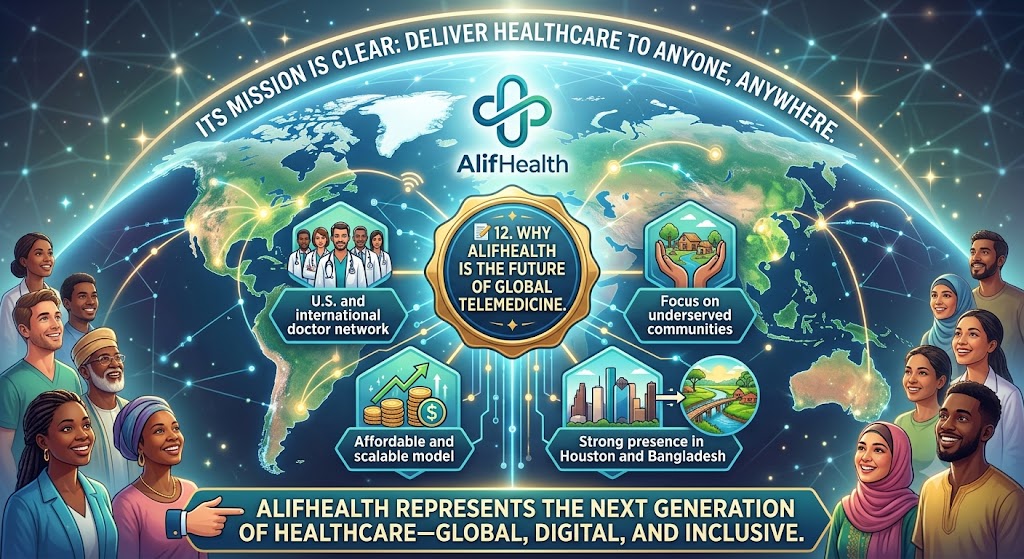
In conclusion, AliefHealth Telemedicine is not a transient trend; it is an essential pillar of modern, technology-enabled healthcare, offering unparalleled convenience, accessibility, and improved outcomes for patients globally. Embracing this model transforms the patient experience, creating a more efficient and effective healthcare ecosystem for the next generation.